

Step into the future with today’s best practice, low and zero carbon sustainable developments
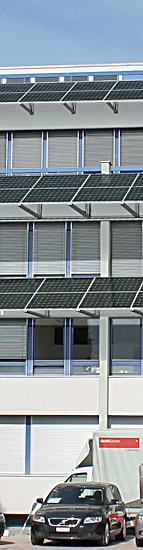
Case studies show best practice sustainable & renewable energy based solutions, BFC’s Mike Pitcher has been closely associated with these projects over many years in the low carbon industry, the case studies are examples of leadership in applied environmental technology across diverse markets sectors in the public and private sector.
- Local Authorities, Woking. The UK’s leading Low Carbon Sustainable local Authority.
- Commercial Buildings, Gazeley. Sustainable Development in Large Scale Commercial Buildings.
- Eco-Towns, City of the Sun. the World’s Largest Residential Low & Zero Carbon Project.
- Tourism, Mill Meadow. The UK’s First Zero Carbon Project for Sustainable Eco-Tourism.
- Energy Services and Carbon Profiling. Future Proofing Feasibility Study for Taunton School.
Each project undertaken by BFC will take into account the triple bottom line combining the inter-related elements of ecology, economy and social context.The goal will be to optimize value and energy security in a cost effective LZC design.
Ecological and Environmental Sustainability – How does the project relate to the natural systems and energy flows in the environment, will it promote healthy sustainable relationships, are there any negative by-products for the local eco-system.
For Commercial Viability a Profitable Enterprise is a Sustainable Enterprise
Economic Sustainability – Can this project be developed to offer commercial viability as part of the business planning process, the need to realize some economic goals is recognized to be a possible driving force behind the project
Social Context – What is the effect of the project on the local, regional community, is it a fair and just use of resources BFC will ensure the project is within UK/EU targets to deliver enhanced energy security, depending on mix and final specification.
Compliant with UK/EU Co2 GHG reduction targets to 2010, circa -10%, to 2020, circa -20%, further reductions possible.